Operation Friction · 1990–1991

Mapping the War
Nobody Filmed

Canada sent warships, fighters, and soldiers to the Persian Gulf in 1990. They came home to headlines about somebody else's war. This map puts their service back where it happened.

  • 4,500 Canadians

    Navy, Air Force, Army and medical personnel in theatre

  • 248 Days

    10 August 1990 to 17 April 1991

  • 1 in 4 Interceptions

    Coalition ship challenges carried out by Canadian warships

  • 0 Lost

    No ship, no aircraft, no life to hostile action

History

Their Duty.
Our Record.

When Iraq overran Kuwait on the night of 1–2 August 1990, Canada answered with the only force it could spare: a navy built for forty years of hunting Soviet submarines in the North Atlantic, sent to a small, hot, enclosed sea it had never trained to fight in. Over the next eight months that navy re-armed itself in a fortnight, took the front-line patrol sectors nobody else wanted, and ended up running the fuel and supply for the entire coalition fleet. An air force squadron flew above it, an army field hospital stood behind it, and thousands of Canadians served in roles that never made the news. Their war went almost unreported at home. This project sets that right.

View the Map

The Call

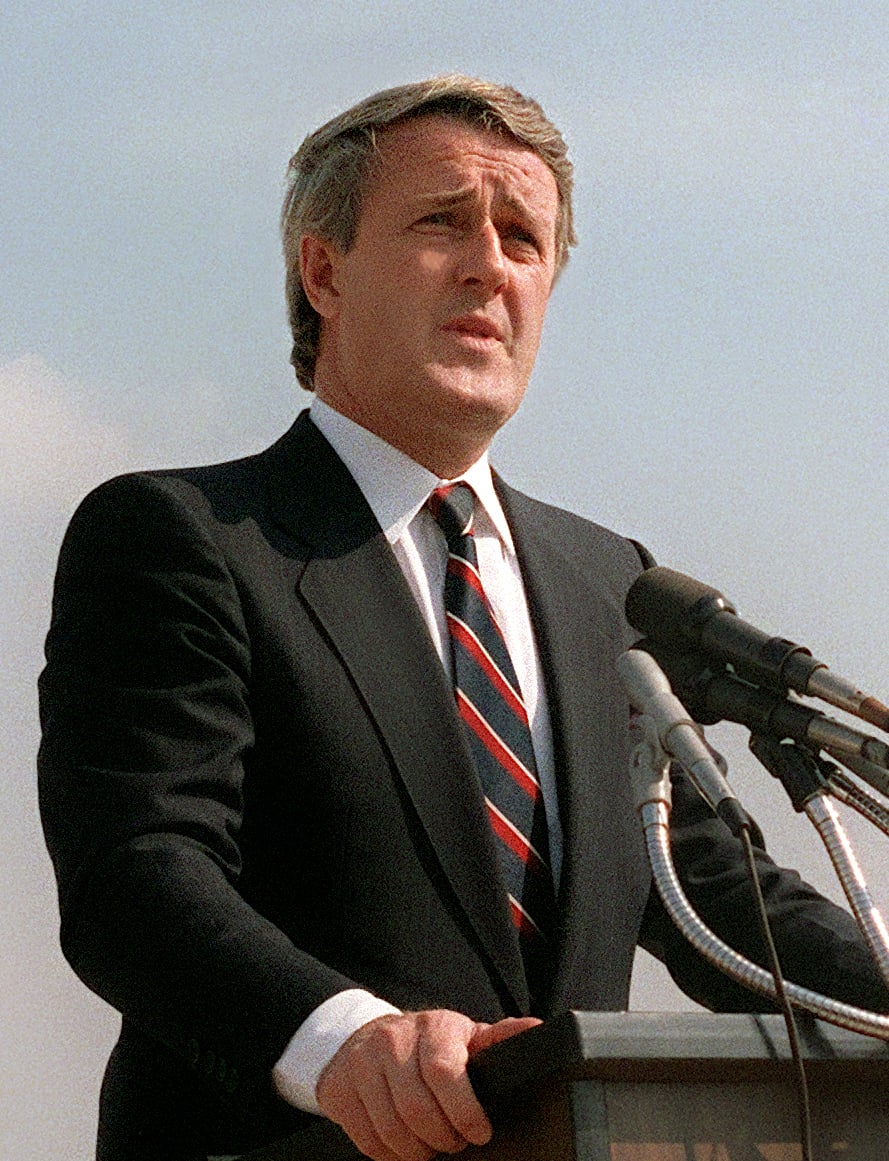
President Bush phoned Prime Minister Mulroney two days after the invasion. Mulroney's answer set the terms for everything that followed: Canada would be there, provided the Security Council passed a resolution first. Within a week, Cabinet chose the Navy, largely by elimination. The Army was consumed by the Oka Crisis; the Air Force was tied to NATO's skies over Germany. On 10 August, Mulroney announced that Canadian warships would sail for the Persian Gulf.

See on Map
Fourteen Days in Halifax

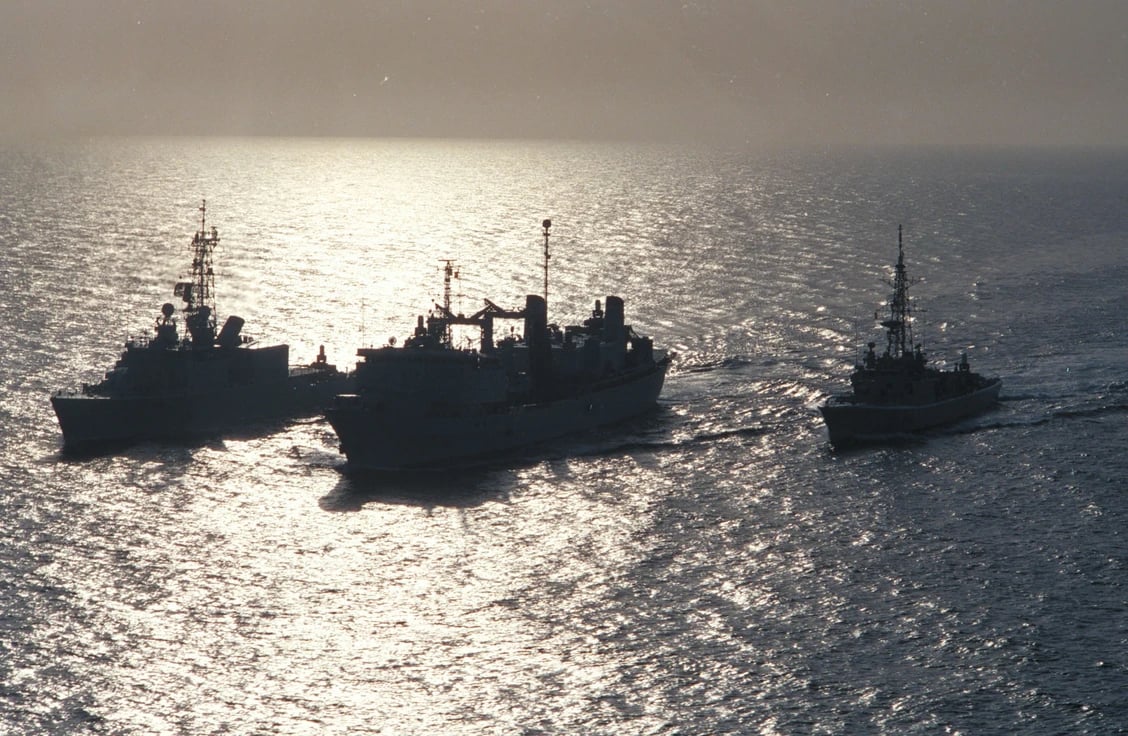
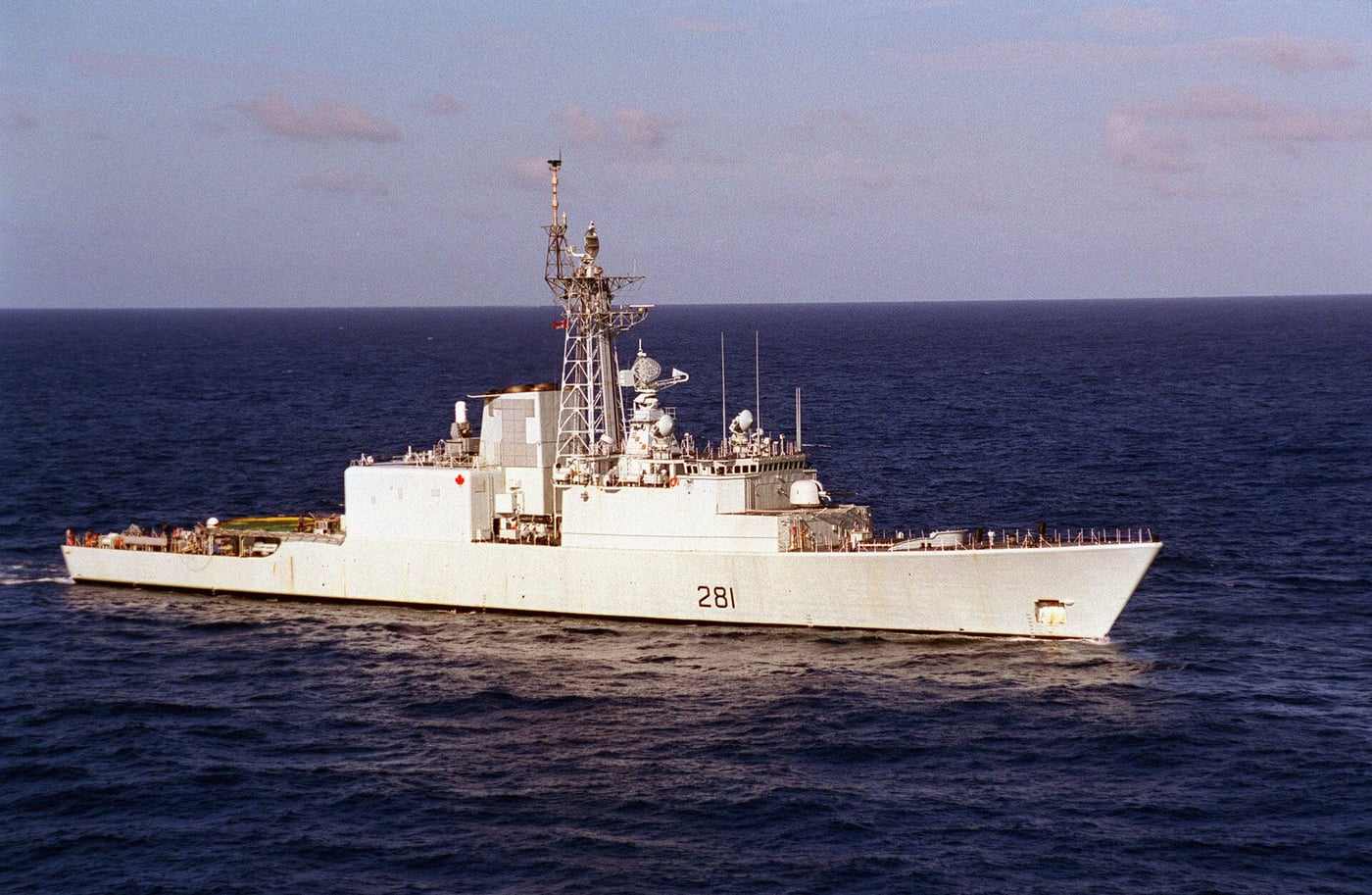
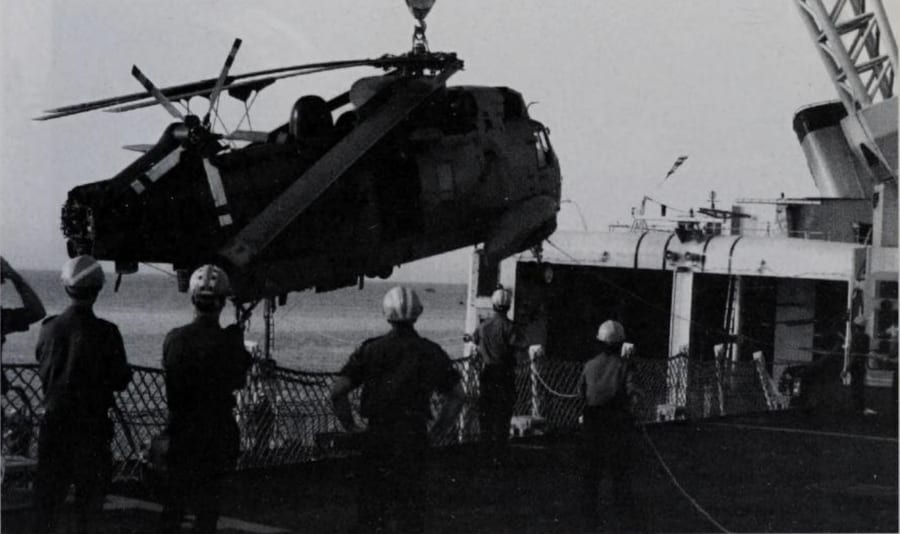
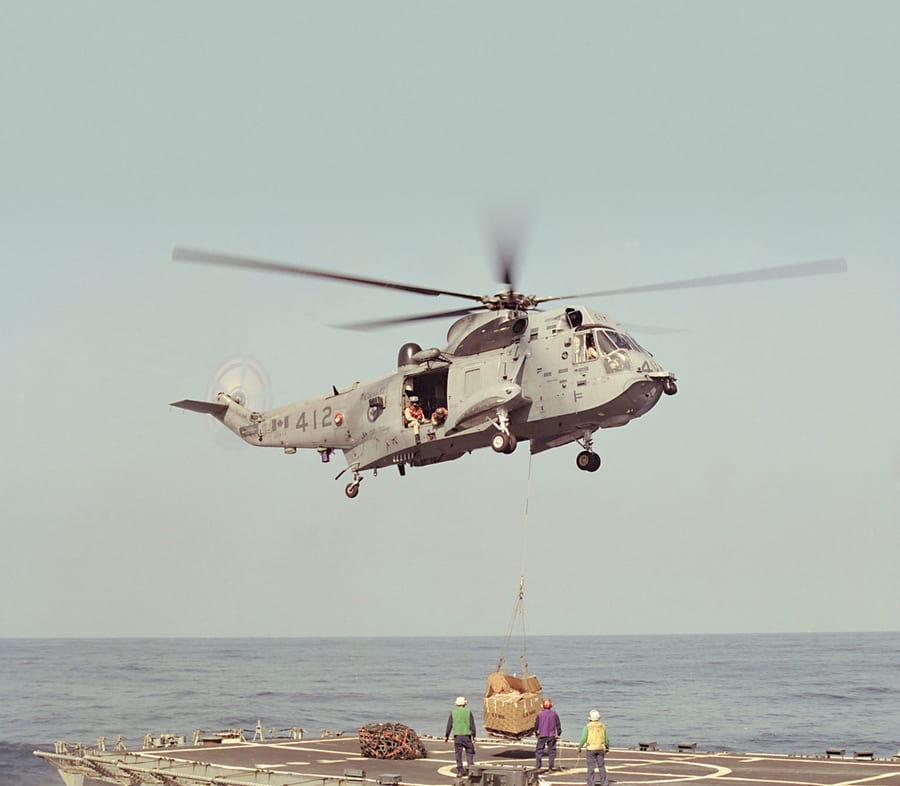
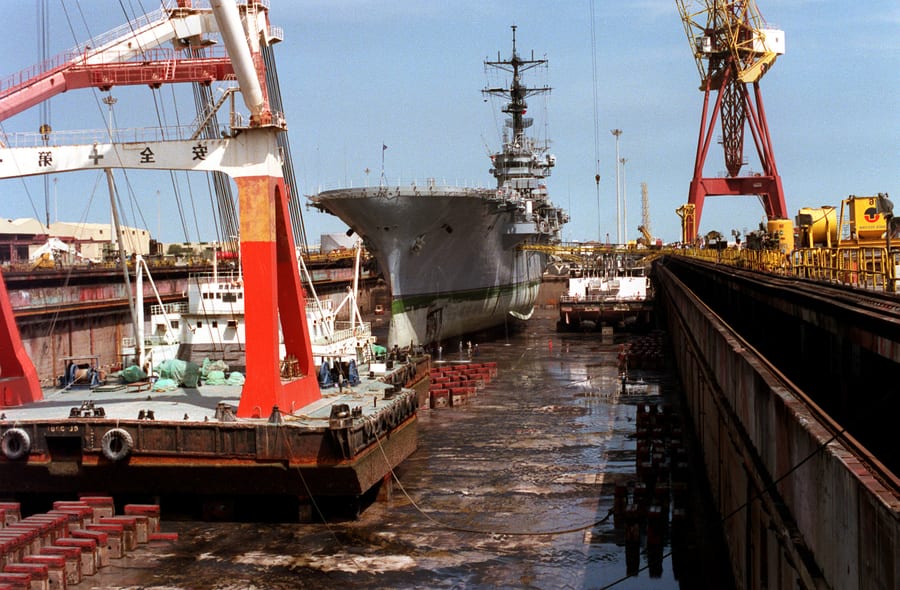
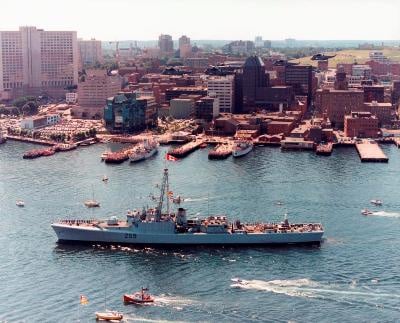
The Halifax dockyard became a beehive of activity. Anti-submarine mortars came off and Phalanx guns went on. Terra Nova traded her ASROC for Harpoon and became Canada's first surface-to-surface missile destroyer. Five Sea Kings were stripped of their sonars and fitted with infrared cameras and jammers. Ground crews called it eighteen months of work done in eight days. Task Group 302.3 sailed on 24 August, with army gunners and their newly bought Javelin missiles on deck.

See on Map

Into the Gulf

Five weeks out of Halifax, after Gibraltar, an Exocet-defence exercise with the French, a legally required pause in Sicily, the Suez Canal, Djibouti, and Silkworm Alley through the Strait of Hormuz, the task group entered the Persian Gulf. Commodore Summers had already volunteered Canada for the central Charlie sectors, the boxes closest to Iraq that the Americans were stretched too thin to hold.

See on Map

The Embargo

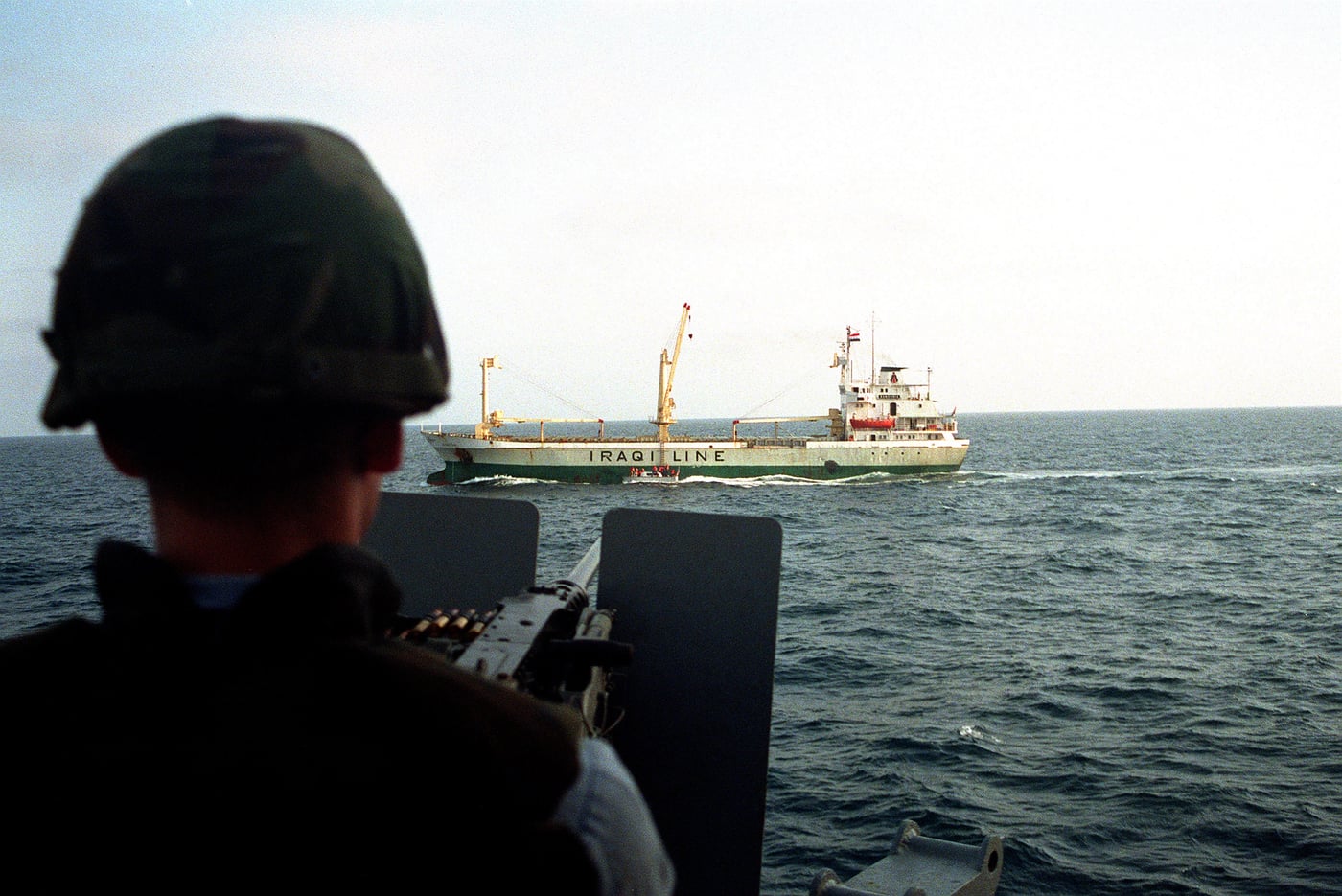
The first patrol was meant to be a gentle breaking-in. Six ships were intercepted before the first afternoon was out, and Athabaskan boarded the Indian relief ship Tippu Sultan after dark in rising wind, twelve hours after arriving on station. Over a hundred vessels were challenged in the first week. Protecteur refuelled her first American warship on 12 October and earned the name that stuck: the floating gas station of the Persian Gulf.

See on Map
The Sales Pitch

With war days away, the coalition planned to break up the Canadian group and scatter its ships through the American fleet, as it had done to Canadian destroyers in Korea. At a New Year's Day meeting the Canadians made what they themselves called a sales pitch: let Athabaskan, with her new command suite, run the coalition's supply ships. The Americans agreed. Captain Dusty Miller became trail boss of the Combat Logistics Force, and the holding area south of the fighting got a name: the Ponderosa.

See on Map

The Naval War

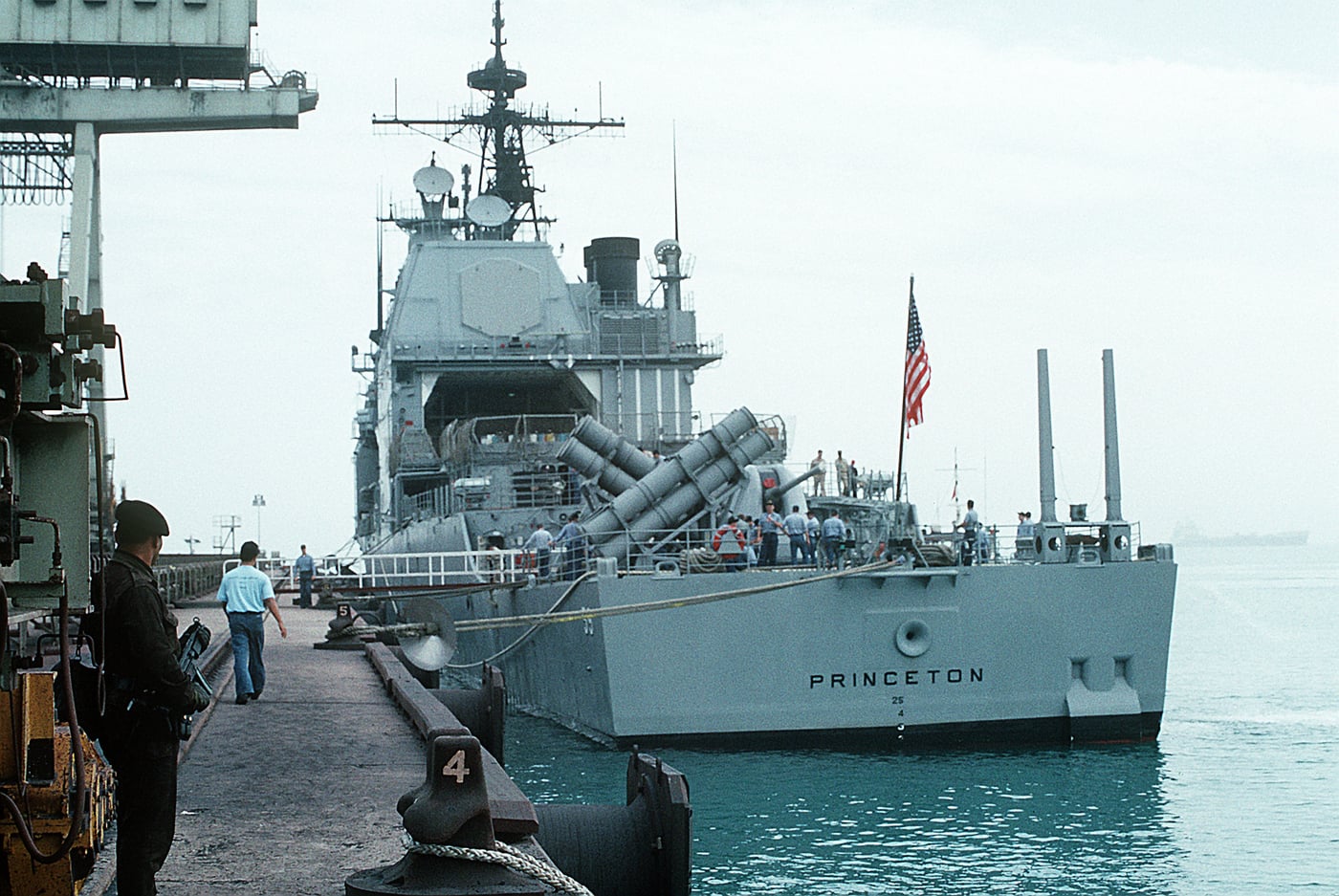
Through the air campaign and the ground war, Canadian ships escorted tankers, hospital ships, and amphibious groups from the Ponderosa north to Virginia City, refuelled warships of ten navies with couplings cut by hand in Protecteur's machine shop, and led the damaged cruiser USS Princeton out of an Iraqi minefield. Athabaskan lay off Jubayl on the Scud trajectory the night the ground war opened. No Canadian ship was hit.

See on Map

Homecoming

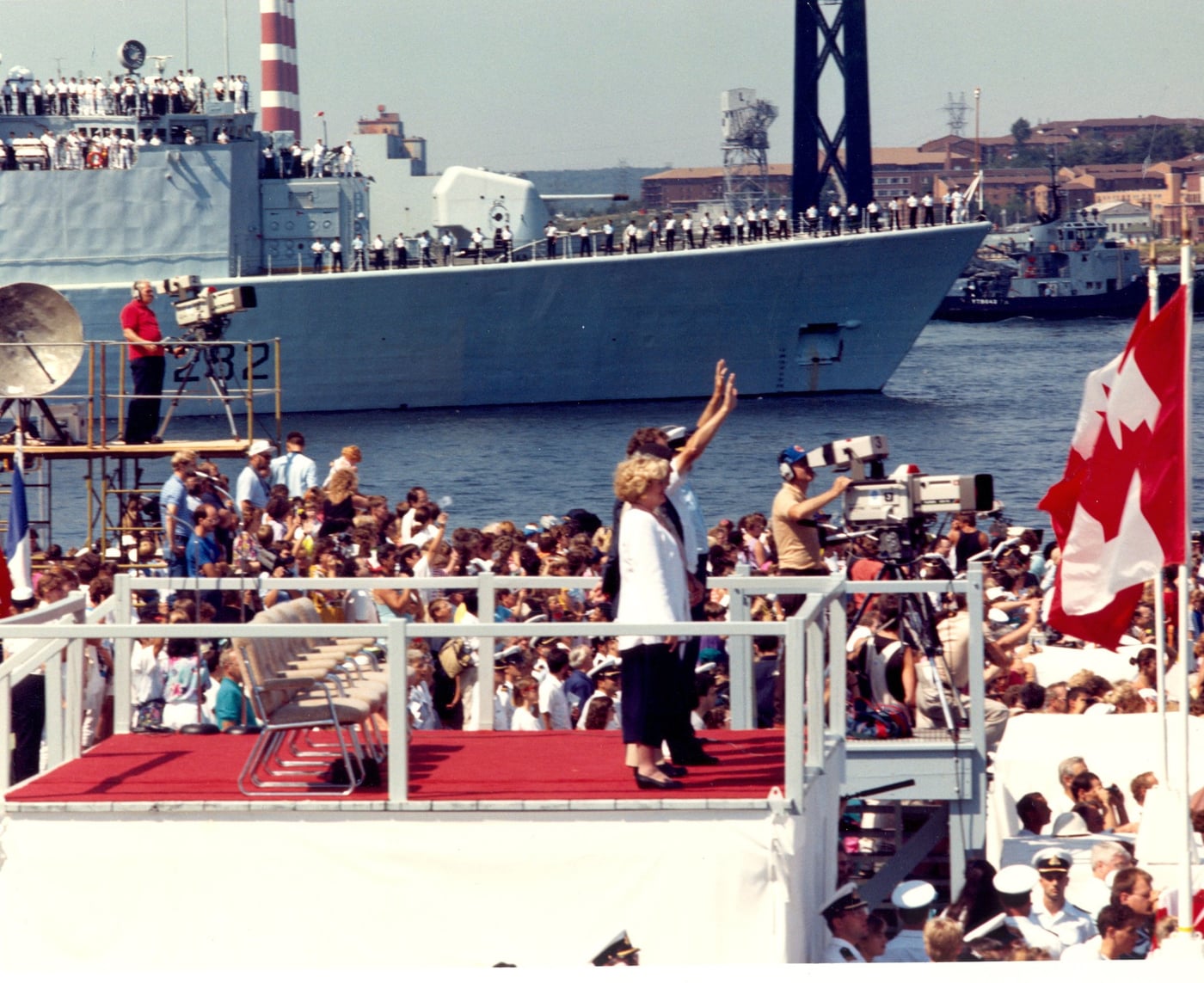
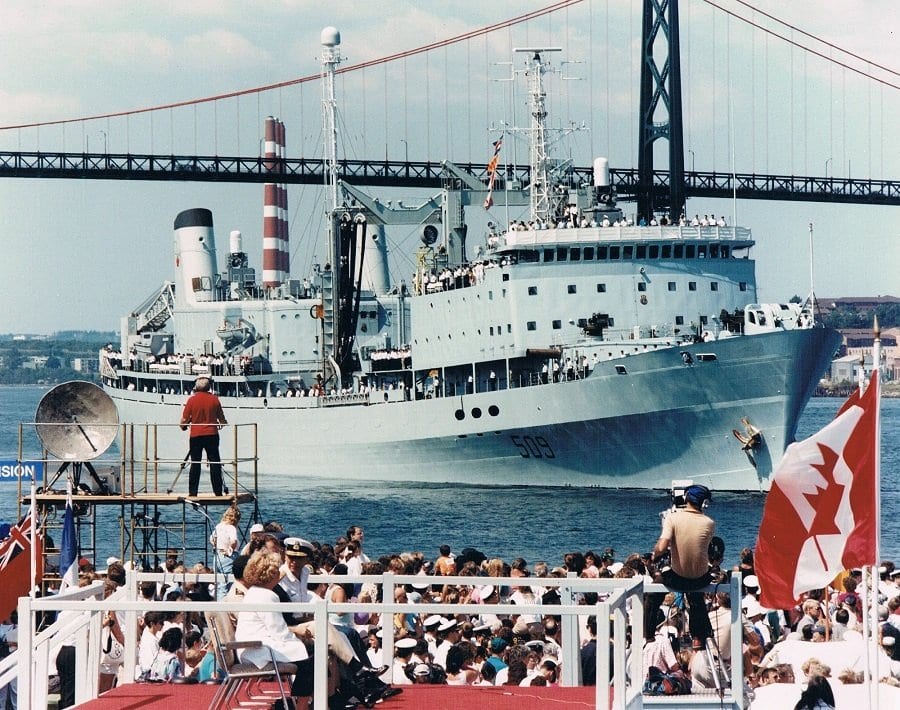
Athabaskan, Terra Nova and Protecteur returned to Halifax on a Sunday morning, 226 days after they left, to a city that had emptied itself into the dockyard. The CF-18s were already back in Germany. The headquarters in Manama closed on 16 April; Operation Friction had lasted 248 days. What the country celebrated was that Canada had come through without a single loss to enemy action. What it did not notice was almost everything else in this timeline.

See on Map

The Last Way Home

HMCS Huron, sent out to relieve a task group that was already home, spent two months enforcing an embargo with little left to intercept, berthed at Kuwait City on 20 June, and returned to Esquimalt the long way round the world on the first anniversary of the invasion. Restigouche followed in 1992 for the Red Sea embargo. Canada's Gulf War ended not with a parade but with a single destroyer coming home alone.

See on Map

The Army That Stayed Home

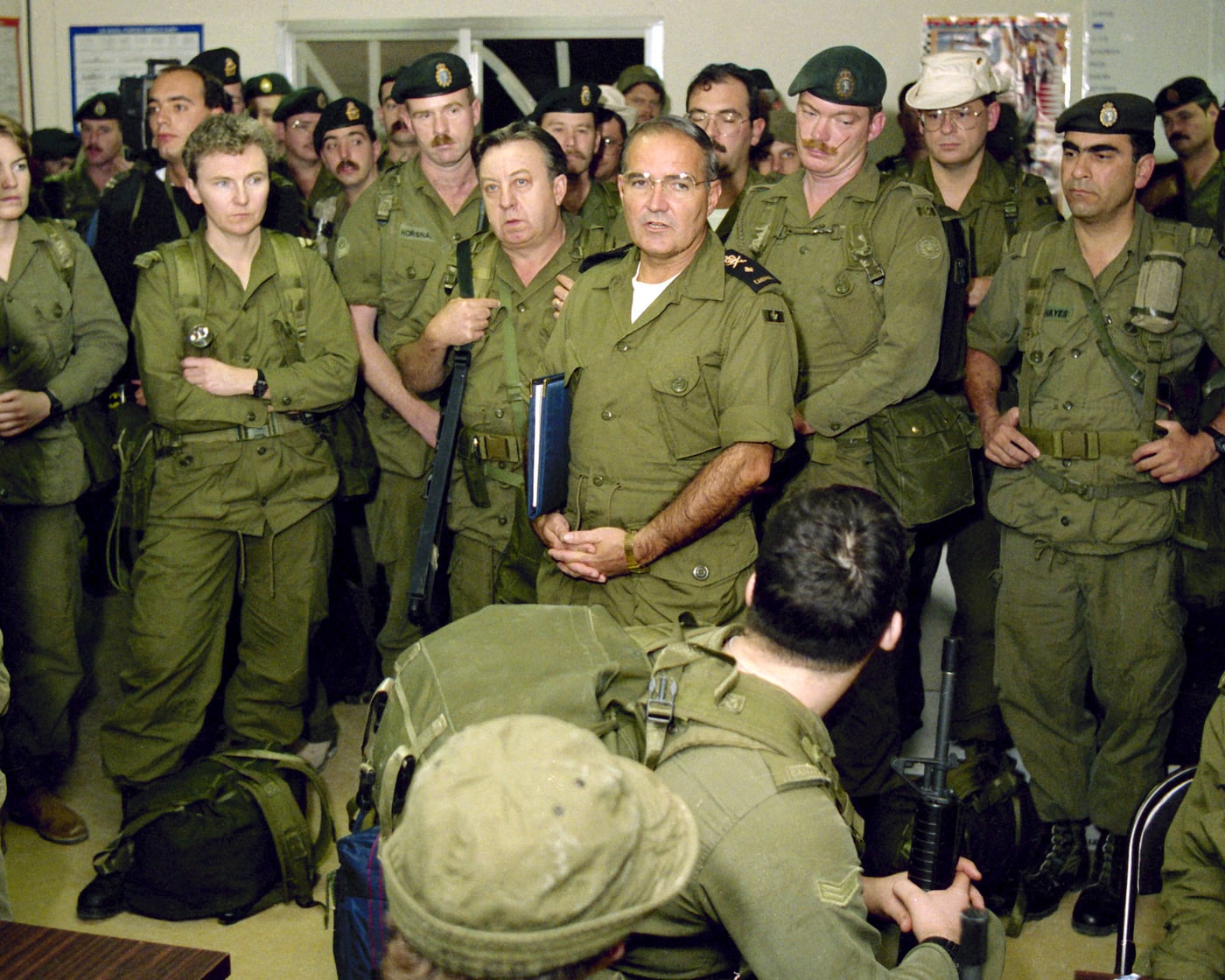
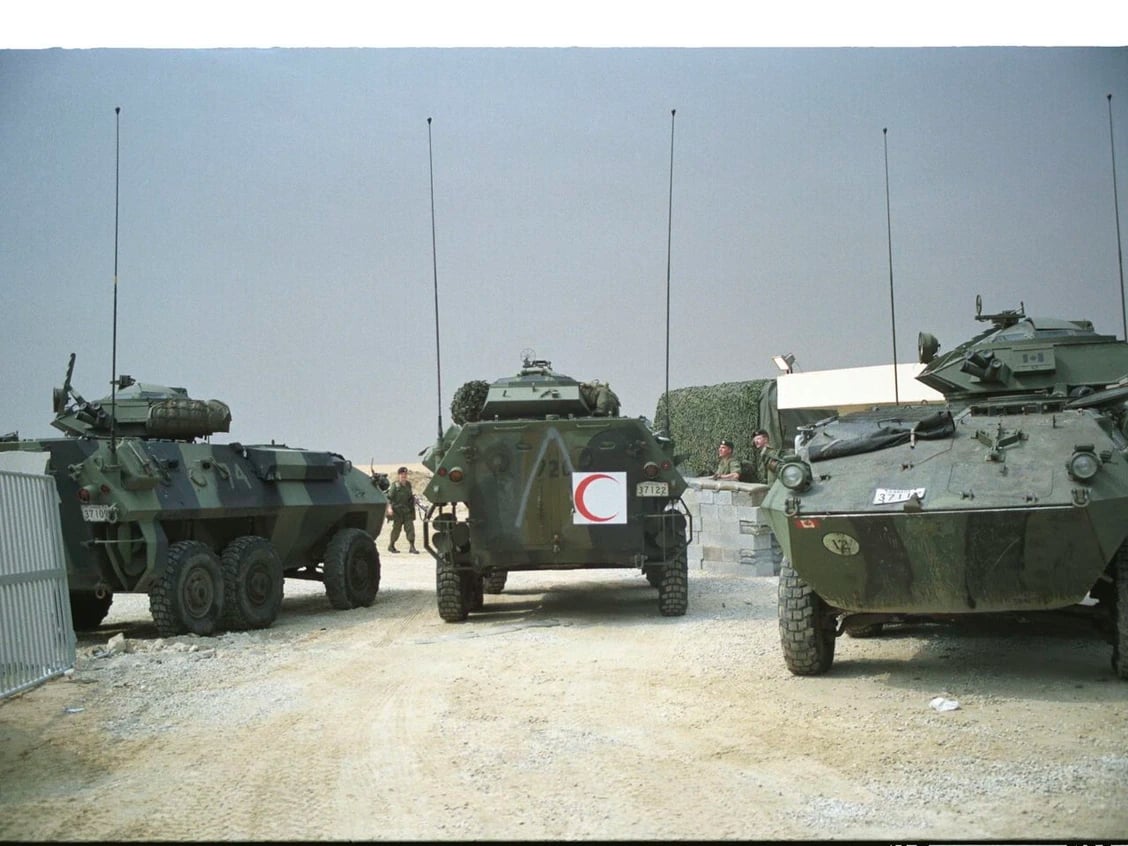
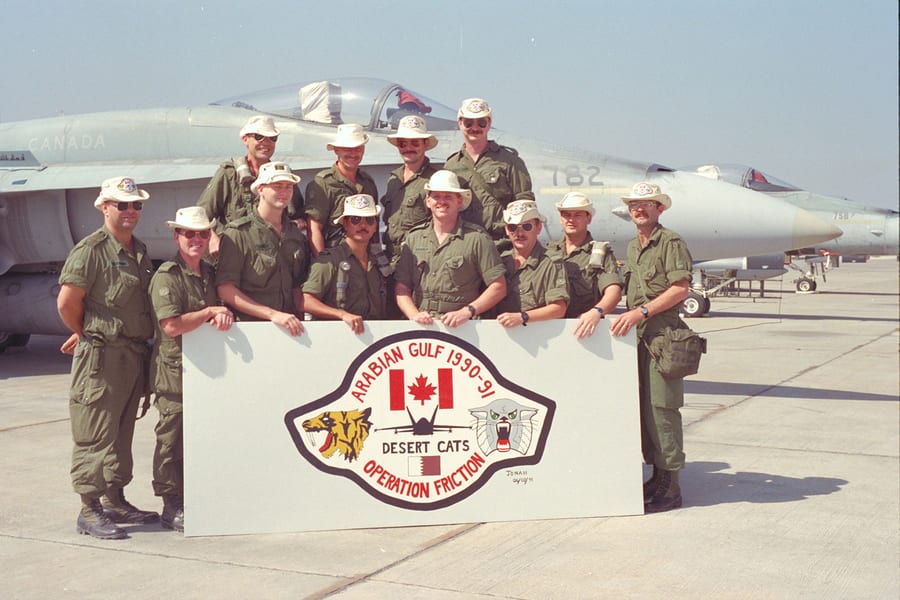
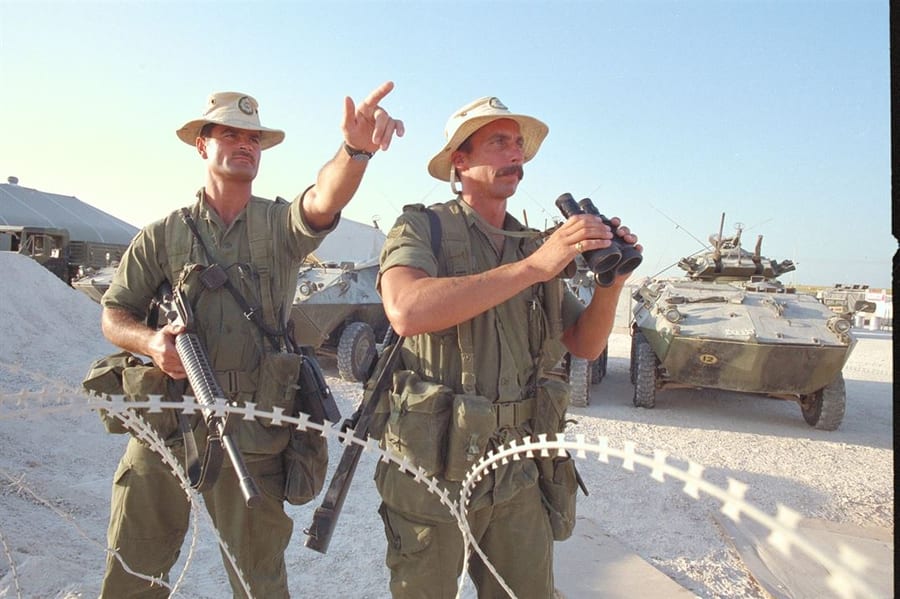
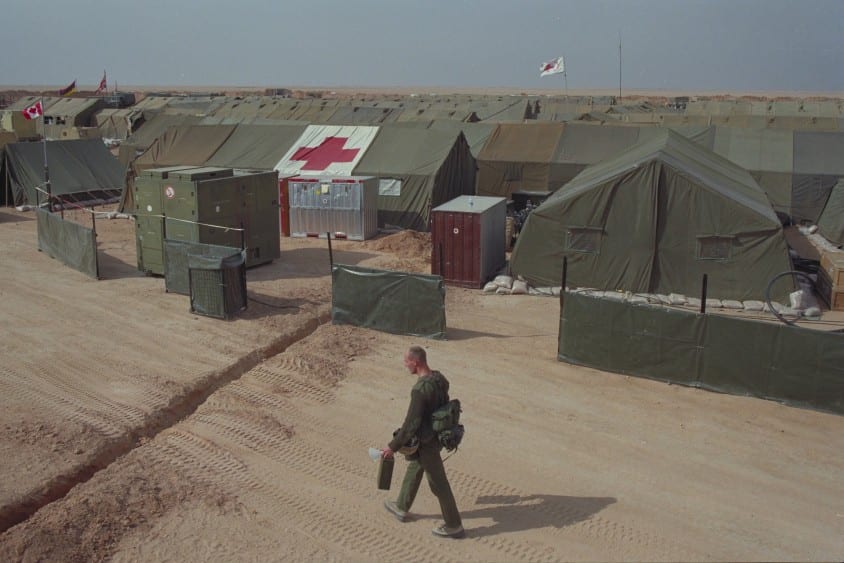
Operation Broadsword would have sent 12,000 troops of 4 Canadian Mechanised Brigade Group from Germany to fight under VII (US) Corps. It was rejected the day it was presented, on cost and projected losses, and publicly disowned on 14 January 1991. The Army went to the Gulf anyway, in pieces: gunners on the ships, engineers at Doha, a field hospital at Jubayl, infantry guarding all of it.

See on Map
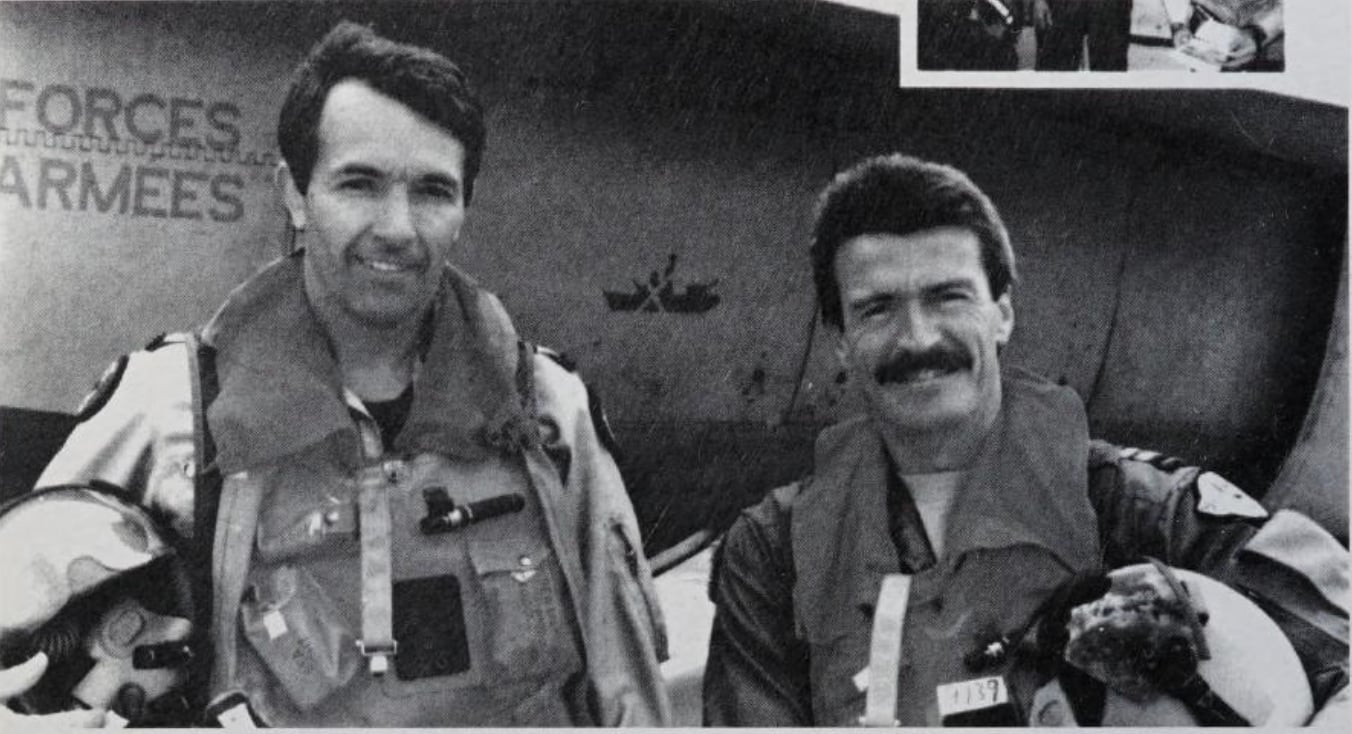
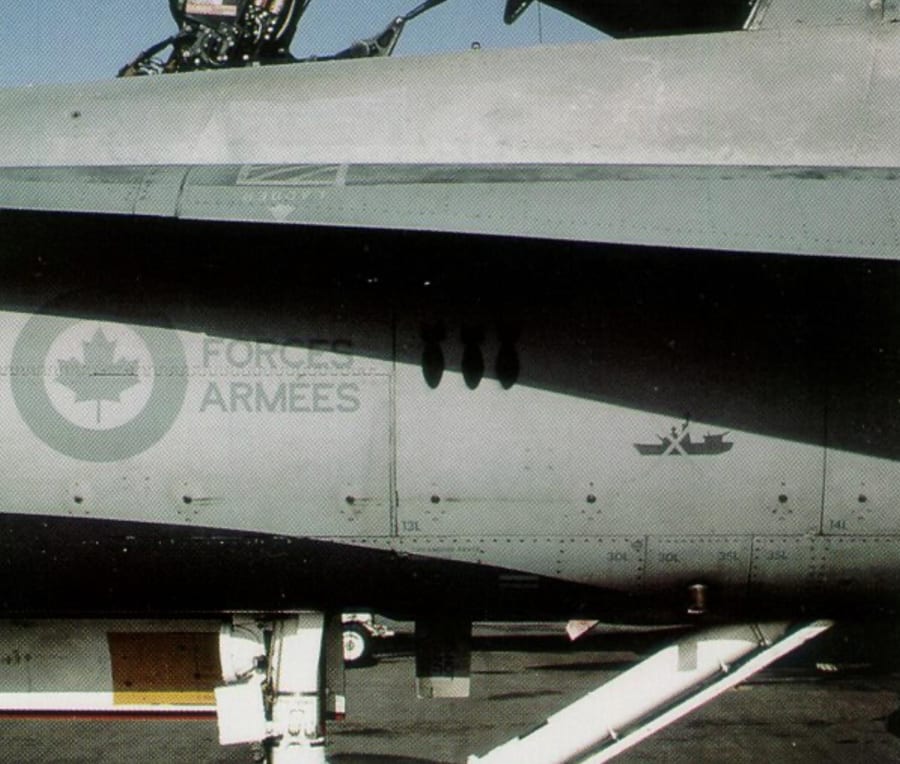
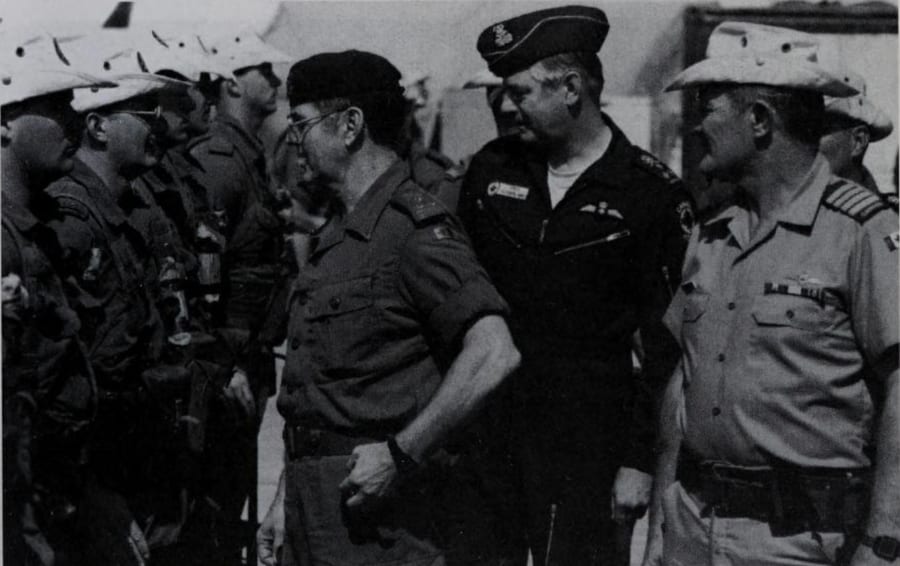
Captain Stephen Hill and Major David Kendall after their attack on an Iraqi fast attack craft

The two Canadians who fired the only shots of Canada's Gulf War.

The two Canadians who fired the only shots of Canada's Gulf War.

Capt. Stephen "Hillbilly" Hill and Maj. David W. Kendall, after downing an Iraqi fast attack craft in the Bubiyan Channel, 30 January 1991. Credit: Canadian Forces Photo Unit / Department of National Defence.

Your story belongs here too.

Whether you sailed, flew, dug, doctored, waited at home, or lost someone, this map exists for you. It takes less than five minutes to add your story and place it on the ground, or the water, where it happened.

Add your story to the map →

Already contributed? Explore the map and find your pin.

Explore

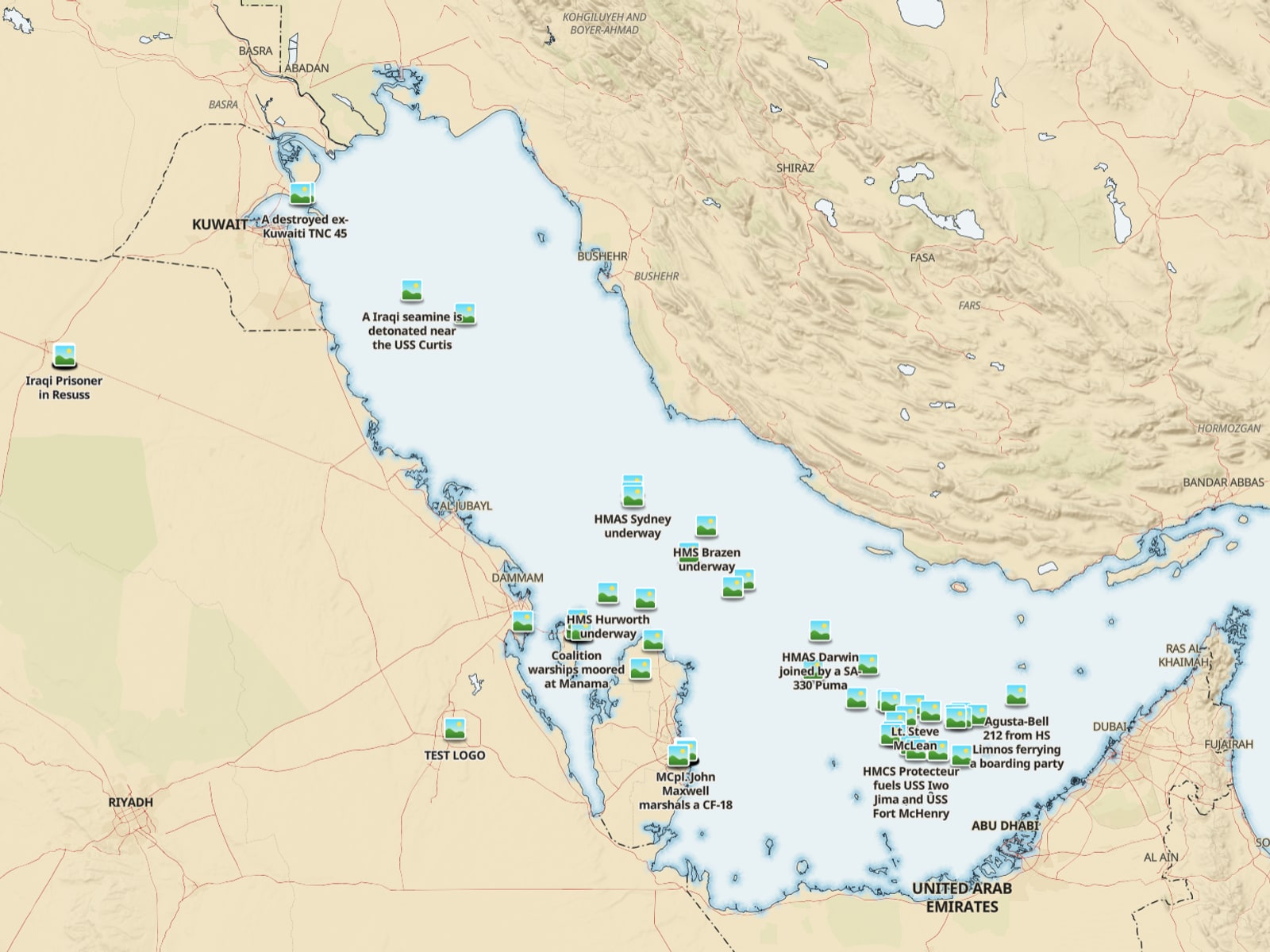
Our interactive map puts you on the water in the Persian Gulf.

Follow the task group from Halifax to the Strait of Hormuz, patrol the Charlie sectors, and read the war chapter by chapter, with every place on the map as you go.

  • The History, Chapter by Chapter The full account of Canada's Gulf War: the Navy, the Air Force, the Army, and the politics in Ottawa, written from the official records and tied to the map.
  • Sectors, Stations and Ports The Charlie patrol boxes, the Whiskey air patrol stations, the Ponderosa and Virginia City holding areas, Manama, Doha, Dubai and Jubayl.
  • Photographs and Stories Images and accounts from the people who were there, placed where they were taken.
Open Interactive Map
FAQ

Common Questions

Find answers about Operation Friction, how to contribute your story, and how to use the interactive map.

Still have questions?

We're here to help. Reach out to our team directly.

Contact Us

Operation Friction was the Canadian Forces' name for its contribution to the 1990-91 Persian Gulf War. This project borrows the name for a digital memorial and mapping platform that documents that war through the official record and the stories of those who served.

Three warships and five helicopters of the Naval Task Group, a CF-18 squadron at Doha, a field hospital at Jubayl, headquarters and support units in Bahrain and Qatar, and soldiers embedded with allied forces. Roughly 4,660 Gulf and Kuwait medals were struck for those who served in the special duty area.

Yes. The Combat Logistics Force alone drew ships from eleven navies. If you served in the Gulf in 1990-91 under any flag, or your family did, your story belongs on this map.

Create a free account on the map, upload your photos, drop a pin on the location, and write your account in your own words. Everything is reviewed by our moderation team before it goes live.

The Canadian Research and Mapping Association (CRMA), a non-profit that also runs Project '44 and Project Athena, in partnership with veterans, historians, and researchers.

Ready to be part of this?

Your account is free, and every story you add is reviewed by our moderation team before it goes live on the public map.

Funding Provided By

Contact

Get In Touch

Have a story to share, a photograph to contribute, or a research inquiry? We'd love to hear from you. Reach out directly and our team will get back to you within a few days.

info@project44.ca